

Call Us08045811748

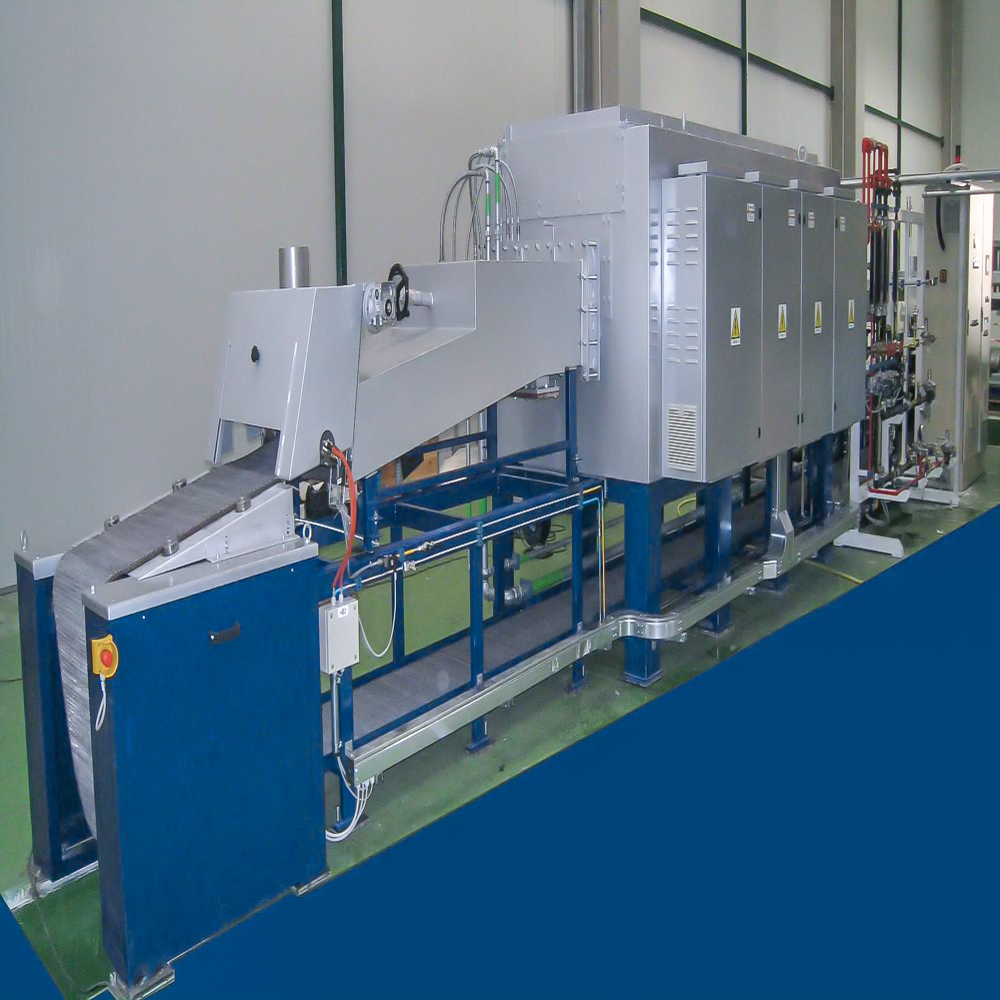
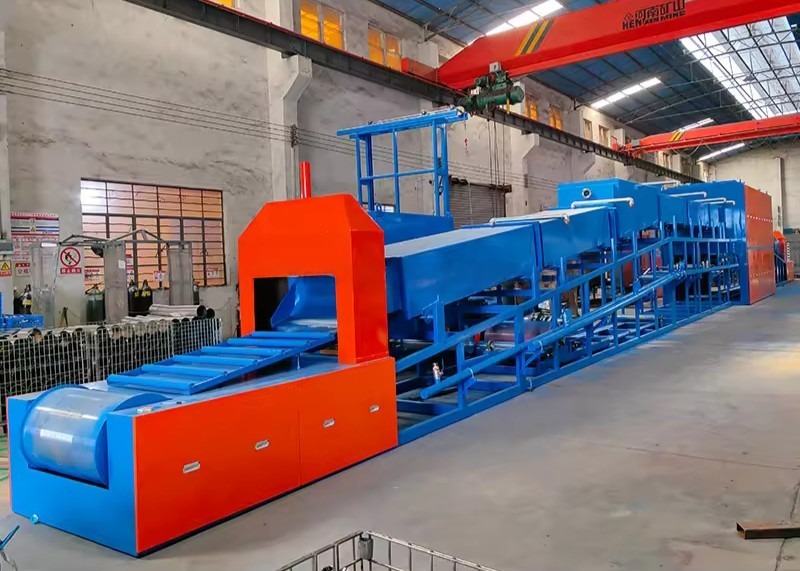
Brazing Furnace manufactured by United Enterprises is a controlled-atmosphere or vacuum heat treatment furnace built for high-quality brazing of metallic components heat exchangers, fasteners, jewellery, electronics and assemblies.
Brief Description:
Brazing is the joining of two or more metal pieces using a filler metal that has a lower melting point than the base metals. Our brazing furnaces are offered in continuous (mesh belt, conveyor) and batch (vacuum, sealed chamber, bell) configurations, with reducing, inert or vacuum atmosphere as required.
Common applications include automotive heat exchangers, copper-brass radiators, hand-tool assemblies, jewellery and electronic assemblies. In-house Ammonia Cracker, Nitrogen Generator and Hydrogen Generator support a wide range of brazing atmospheres.
Each brazing furnace is engineered around the customers assembly, filler metal and target joint quality.
Characteristics:
About United Enterprises:
United Enterprises is among the recognised Brazing Furnace manufacturers in India with over 25+ years of experience in controlled-atmosphere brazing systems. We design, manufacture, supply, export and commission tailor-made brazing furnaces across Asia and Europe. Our turnkey approach, in-house gas generator manufacturing and CE / ISO compliance support automotive, heat exchanger, electronics and jewellery industries.
FAQs:
Q: Continuous or vacuum brazing?
A: Continuous belt brazing for high-volume copper-brass and steel assemblies; vacuum brazing for premium aerospace and electronic assemblies.
Q: Which atmosphere is most common?
A: Cracked ammonia, hydrogen and nitrogen are common; vacuum is used for premium and reactive metal assemblies.
Q: Do you support trial brazing?
A: Yes. Trial cycles and joint validation are part of our commissioning support.

Price:
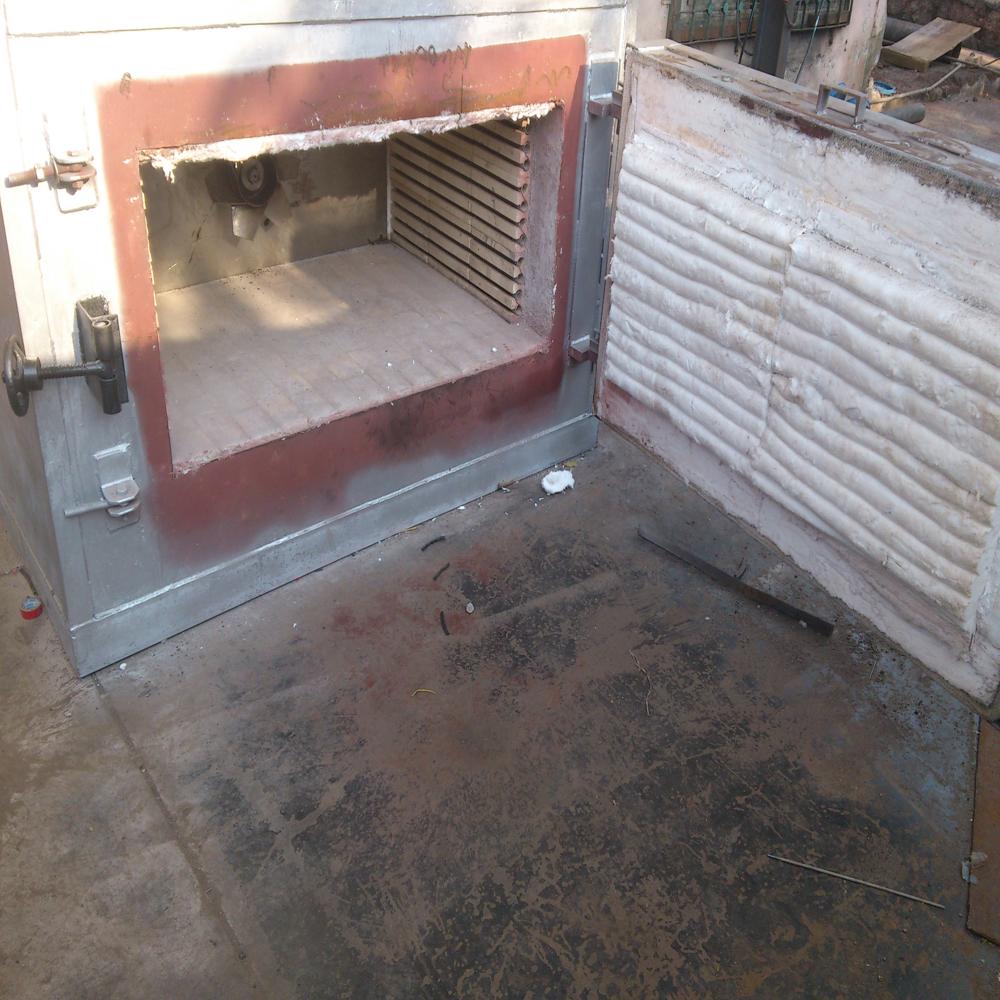
Price 4500000.0 INR / Piece
Minimum Order Quantity : 1 Piece
Type : Electric Furnace
Condition : New
Capacity : 50500 Litres
Size : Customized as per requirement
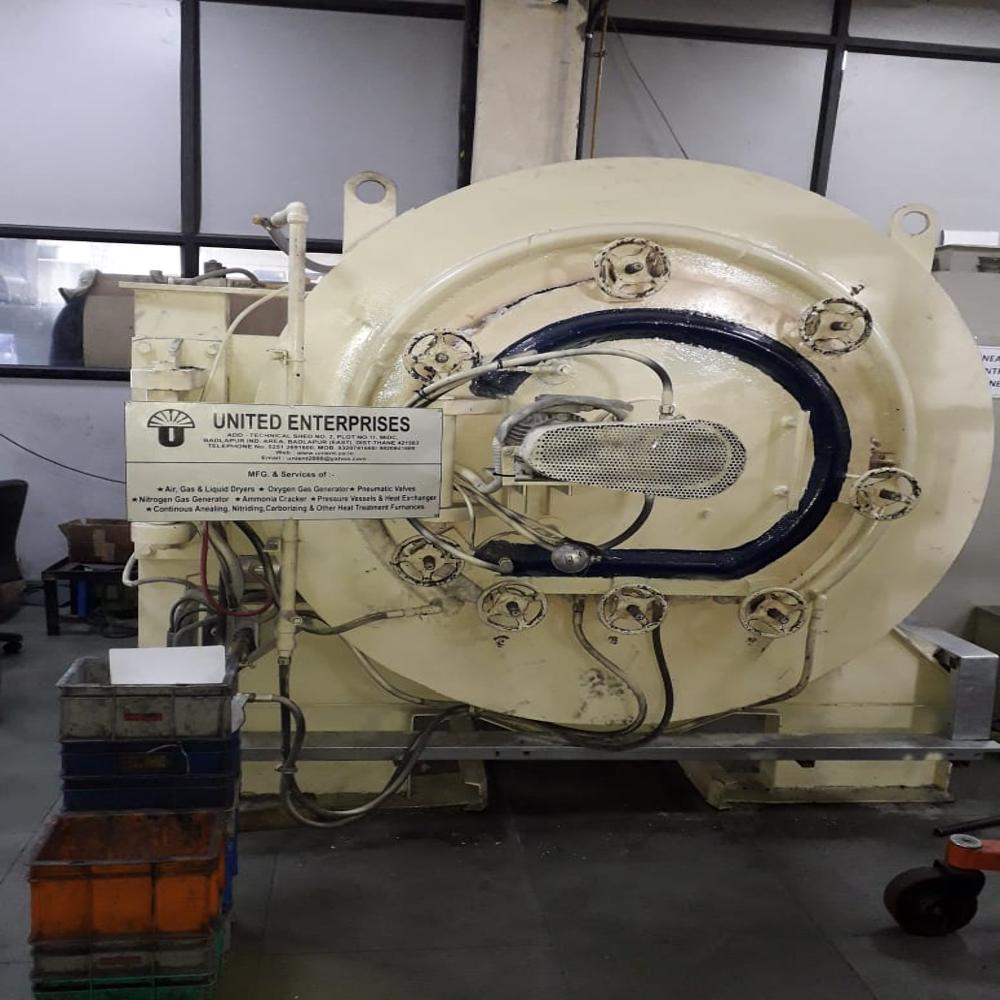
Price 7000000.0 INR / Piece
Minimum Order Quantity : 1 Piece
Type : Vacuum Sintering Furnace
Condition : New
Capacity : 50200 kg (depending on model)
Size : Customizable as per requirement
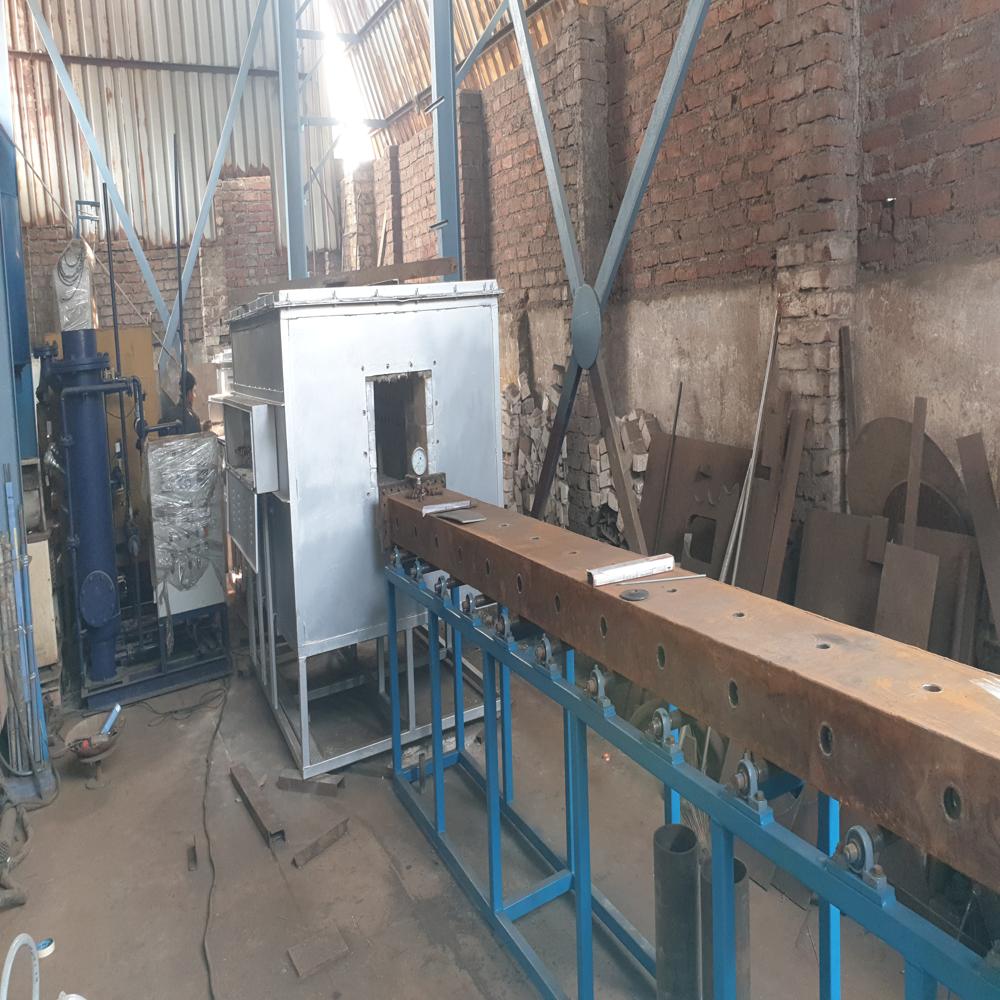
Price 4000000.0 INR / Piece
Minimum Order Quantity : 1 Piece
Type : Sintering Furnace
Condition : New
Capacity : 501000 kg/batch
Size : Customizable as per requirement
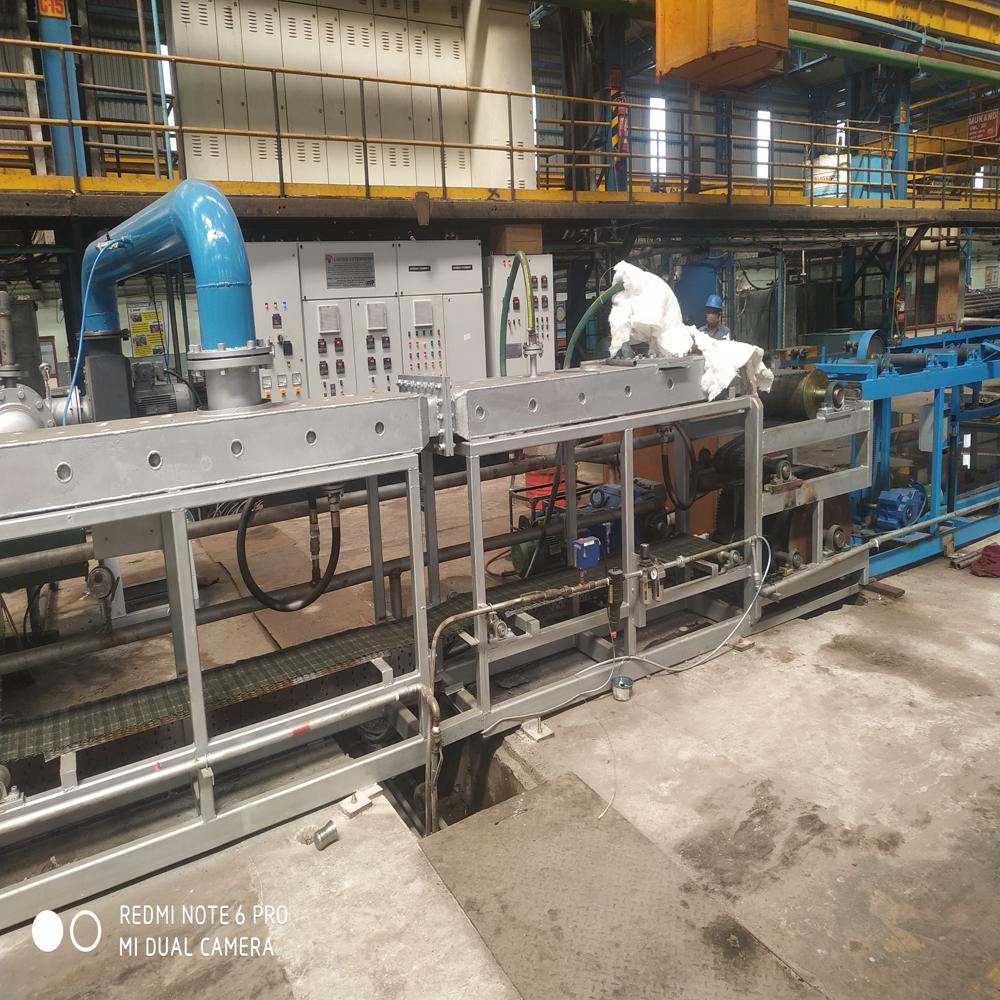
Price 8000000.0 INR / Unit
Minimum Order Quantity : 1 Unit
Type : High Temperature Sintering Furnace
Condition : New
Capacity : 30 to 500 liters (optional)
Size : Customizable as per requirements

GST : 27AATPG9215G1ZF




 Send Inquiry

 Send Inquiry
 Send Inquiry
 Send SMS


 English
 Spanish
 French
 German
 Italian
 Chinese (Simplified)
 Japanese
 Korean
 Arabic
 Portuguese